

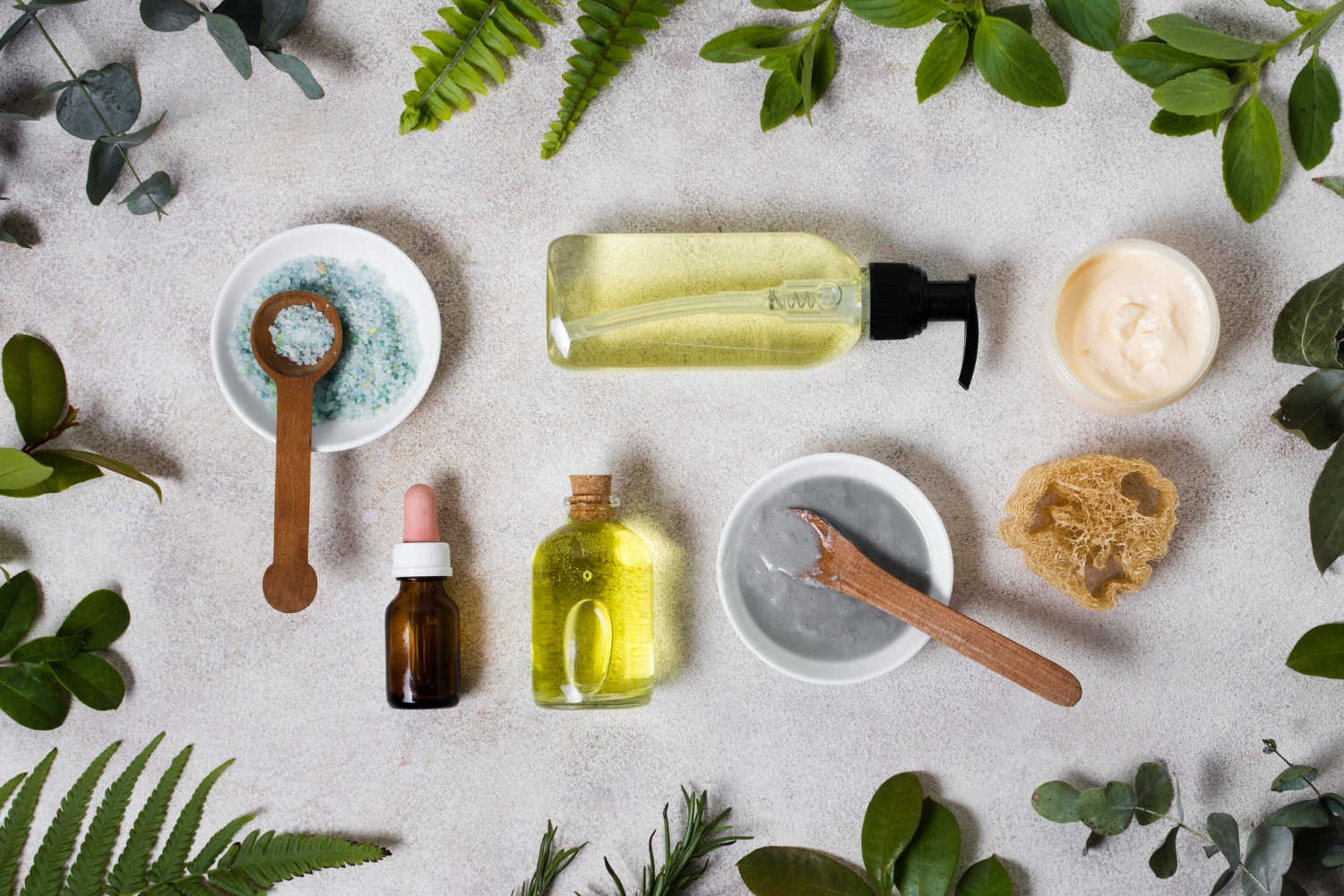
When choosing cosmetics, many people face the same dilemma: should I go for natural products or trust those with synthetic ingredients? Marketing often presents natural as “good” and synthetic as “bad,” but the reality is far more complex. To truly understand what matters in your skincare and makeup, it’s important to look beyond the labels and focus on science, safety, and performance.
What Does “Natural” Really Mean?
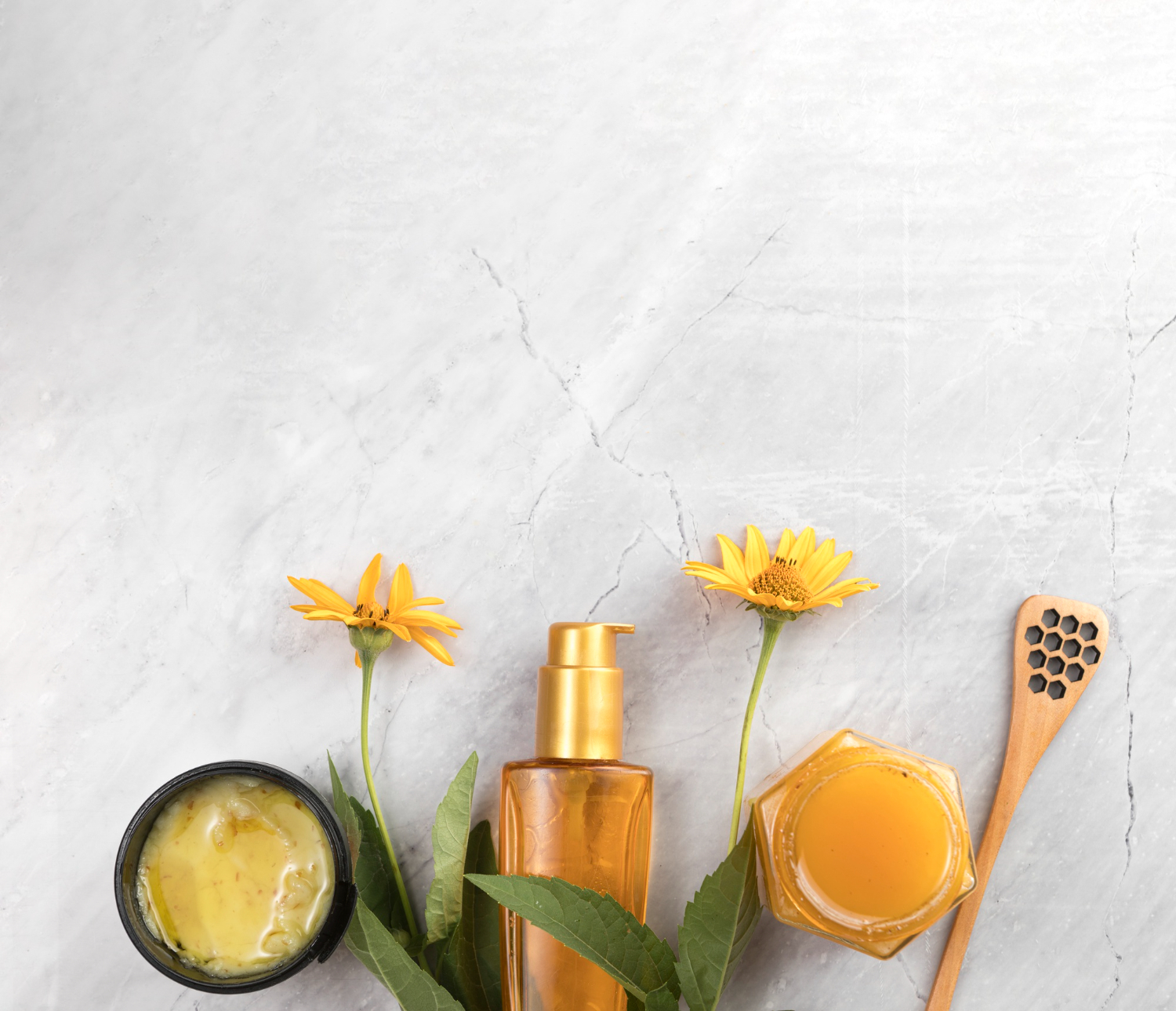
The word “natural” is often associated with safety, purity, and gentleness. Natural ingredients typically come from plants, minerals, or animal-derived sources. Think of aloe vera, shea butter, essential oils, and clay. These ingredients can provide wonderful benefits — hydration, nourishment, and soothing effects.
But here’s the truth: not everything natural is safe. Poison ivy is natural, but no one would want it in their skincare. Essential oils, while natural, can sometimes cause allergic reactions or skin sensitivity if not used properly. So while natural ingredients have their advantages, they are not automatically better or safer.
Understanding Synthetic Ingredients
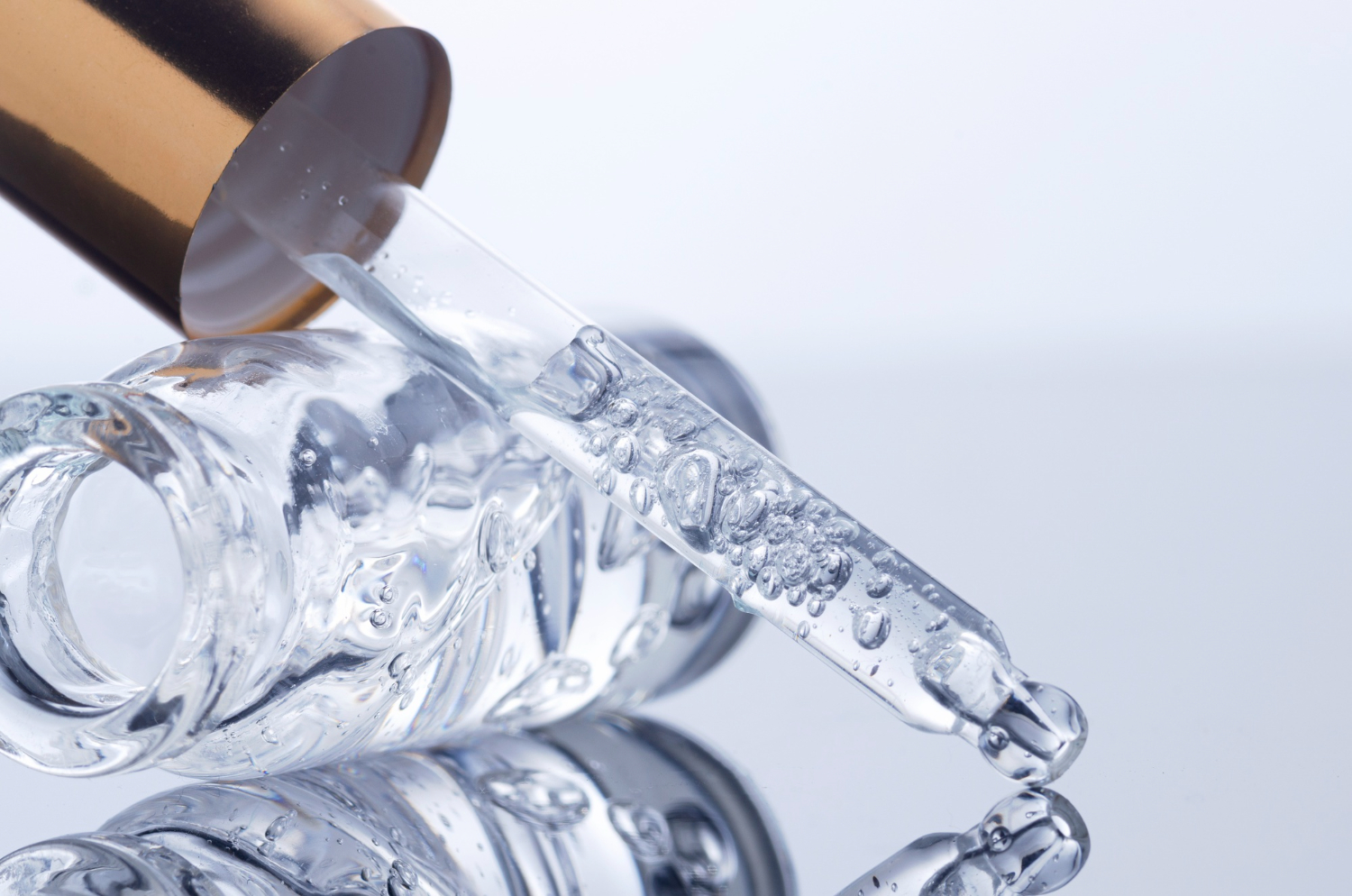
Synthetic ingredients are those created or modified in a laboratory. Common examples include hyaluronic acid, peptides, silicones, and certain preservatives. Many people fear synthetics because they sound “unnatural,” but in reality, they can be highly beneficial and even safer than some natural alternatives.
For instance, lab-made hyaluronic acid is identical to the substance found in our skin and works wonders for hydration. Preservatives, though often misunderstood, are essential for keeping products safe from harmful bacteria and mold. Without them, your favorite cream could become unsafe to use within weeks.
Performance Over Labels
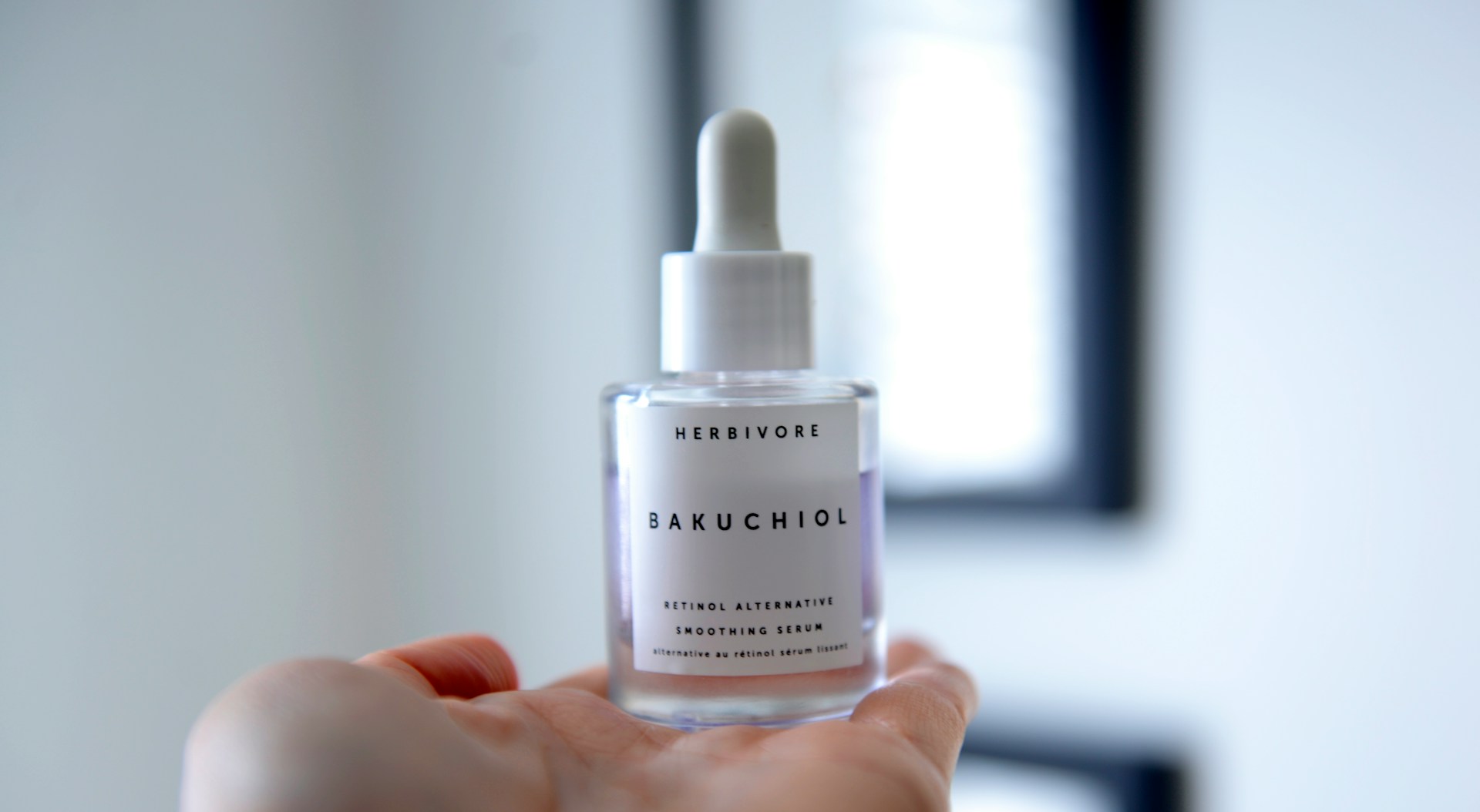
What truly matters is not whether an ingredient is natural or synthetic, but whether it is safe, effective, and suitable for your skin. Some of the most effective anti-aging ingredients — like retinol and niacinamide — are synthetic. At the same time, some natural extracts provide unbeatable antioxidant protection.
The best cosmetic formulas often combine both worlds. A moisturizer might include natural oils for nourishment and synthetic hyaluronic acid for hydration. This balance ensures maximum effectiveness, stability, and safety.

Debunking Common Myths
- “Natural products are always safer.” Not true. Allergens and irritants can be natural too.
- “Synthetic ingredients are harmful chemicals.” In reality, everything — water, vitamins, even oxygen — is a chemical. What matters is the dosage and formulation.
- “Preservative-free is better.” Without preservatives, products are prone to bacteria, which is far more dangerous for your skin.
How to Choose Wisely
Instead of focusing on the “natural vs. synthetic” debate, pay attention to:
- Your skin type and concerns. Dry, oily, sensitive — different ingredients suit different needs.
- Proven effectiveness. Look for ingredients supported by research.
- Transparency of the brand. Reputable companies clearly list their ingredients and explain their benefits.
The real secret to great cosmetics isn’t about choosing natural over synthetic — it’s about choosing safe, effective, and well-formulated products that work for you. Both natural and synthetic ingredients can bring incredible benefits when used correctly. At the end of the day, what matters most is not the source of the ingredient, but the confidence and care it brings to your daily beauty ritual.